








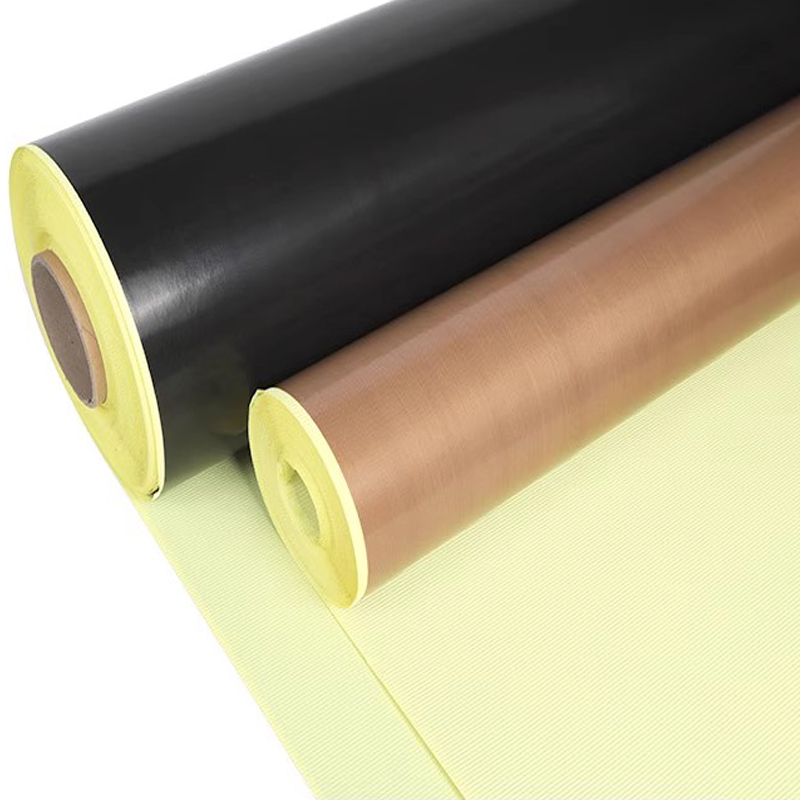
PTFE Adhesive Tape: The Complete Guide to Properties, Types & Applications
If you work with heat sealing machines, packaging lines, or any equipment that must resist high temperatures without sticking, you have probably already met PTFE adhesive tape — usually under the brand name Teflon™. This unassuming roll of tape is one of the most versatile problem-solvers in industrial maintenance and manufacturing. In this guide, we’ll look at what it is, why it outperforms ordinary tapes, and how to choose the right one for your application.
What Is PTFE Adhesive Tape?
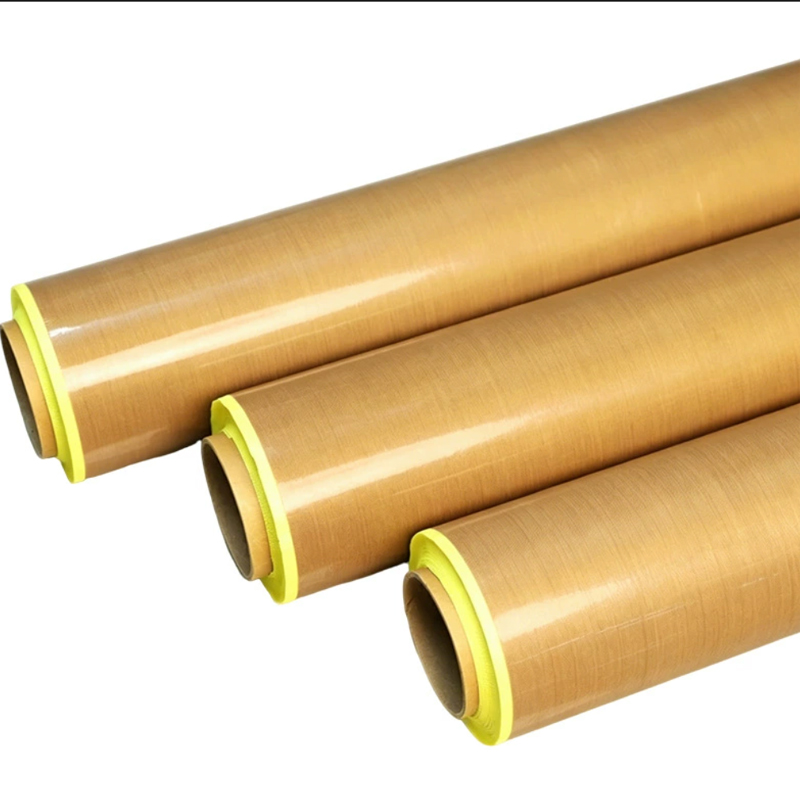
PTFE (polytetrafluoroethylene) is a synthetic fluoropolymer best known for its almost total non-stick surface and outstanding heat resistance. A PTFE adhesive tape is made by applying a high-temperature adhesive — almost always a silicone pressure-sensitive adhesive — to one side of a PTFE-based backing.
The result is a tape that combines:
- A non-stick working surface on one side
- A strong, heat-resistant bond on the other
Because PTFE itself is not naturally adhesive, the surface is chemically etched before the adhesive is applied, creating a strong mechanical bond between the tape layers that survives repeated heating and cooling cycles.
Key Properties That Set PTFE Tape Apart
Extreme temperature resistance. This is the headline feature. High-quality PTFE adhesive tape handles continuous service from roughly -70°C to +260°C, and can tolerate short-term spikes up to about 300°C. No ordinary packaging or duct tape comes anywhere close.
Non-stick surface. Molten plastic, adhesives, food residue, and cured resins slide right off. This makes it the go-to covering for heat sealing bars, where hot plastic film would otherwise melt and stick to the machine.
Very low coefficient of friction. PTFE’s surface friction typically ranges from 0.05 to 0.20 — among the lowest of any solid material — which keeps rollers, chutes, and guide rails running smoothly with less wear.
Chemical resistance. PTFE is virtually inert. It resists acids, alkalis, solvents, and most industrial chemicals, so the tape can also act as a temporary chemical barrier.
Excellent electrical insulation. PTFE film tape offers high dielectric strength (typically 60–100 kV/mm in film form), and many products meet UL flame-retardant standards for electrical use.
Food-contact safe. Many PTFE tapes comply with FDA food-contact regulations (21 CFR 177.1550), which is why they are standard on food packaging machinery.
Film Tape vs. Glass Cloth Tape: Which One Do You Need?
PTFE adhesive tape comes in two main backing constructions, and choosing correctly matters more than most people expect:
| Característica | PTFE Film Tape | PTFE Glass Cloth Tape |
|---|---|---|
| Backing | Skived or cast PTFE film | Woven fiberglass cloth impregnated with PTFE |
| Fuerza | Good tensile strength, limited tear resistance | Very high tensile strength, highly tear-resistant |
| Conformability | Conforms tightly to small radii | Better suited to flat or gently curved surfaces |
| Typical temperature range | Up to ~200–260°C continuous | -70°C to +260°C continuous |
| Best for | Wire wrapping, electrical insulation, small sealing bars | Heat sealing jaws, presses, guide rails, high-wear areas |
| Typical adhesive | Silicone (or acrylic for lower-temp use) | Silicone |
The simple rule: use glass cloth tape where the surface takes mechanical abuse (sealing jaws, rollers, platens), and use film tape where you need conformability and electrical insulation (wiring, tight curves, delicate surfaces).
Where Is PTFE Adhesive Tape Used?
Heat sealing and packaging. This is the biggest application. The tape is applied to the heating elements and sealing bars of L-bar sealers, impulse sealers, form-fill-seal machines, vacuum packaging machines, and band sealers. It prevents plastic films (PE, PP, PVC, etc.) from melting onto the hot metal, keeps seals smooth and attractive, and dramatically extends the life of the sealing jaws.
Food and pharmaceutical processing. Thanks to its FDA-compliant, non-toxic surface, the tape is used on food-contact machinery, conveyor guides, and filling equipment where cleanliness and release performance are critical.
Mold release. In composite molding, plastic extrusion, and rubber processing, PTFE tape lines hoppers, molds, and guides to release parts cleanly and keep material flowing without sticking.
Electrical insulation. PTFE film tape is a reliable high-temperature electrical insulator for coil wrapping, cable bundling, and high-voltage applications where heat and insulation are both required.
Ironing and pressing equipment. Textile presses and fusing machines use PTFE-covered surfaces to prevent adhesive and fabric residue from building up.
Slide surfaces and chemical barriers. Wherever parts must slide smoothly — chutes, rails, rollers — or where a temporary chemical-resistant barrier is needed, PTFE tape provides a quick, replaceable solution.
How to Choose the Right PTFE Tape
- Temperature first. If your process runs continuously above ~170°C, choose silicone adhesive. For milder conditions, acrylic adhesive gives stronger initial bond at a lower cost.
- Match the backing to the abuse. High-wear mechanical surfaces call for glass cloth; electrical and conformable applications call for film.
- Check thickness. Thicker tapes last longer under abrasion but transfer heat less efficiently — on heat sealing bars, a balance is needed for clean seals.
- Verify food and flame ratings if your application involves food contact or electrical safety.
- Confirm the width and length you need — tapes are commonly supplied in rolls from 10 mm up to 1 meter wide.
Application & Installation Tips
- Clean the surface thoroughly — degrease and dry it before applying. Silicone adhesive bonds best to clean metal.
- Apply with steady tension and use a roller or squeegee to press out air bubbles.
- Allow the seam to overlap slightly, and trim with a sharp blade for a clean edge.
- On curved bars, warm the tape slightly while applying so the film or cloth conforms without creasing.
- Replace when the surface starts to look worn or charred — a worn tape reduces seal quality and risks plastic sticking.
Maintenance and Lifespan
A well-chosen PTFE tape can last for months in continuous service. Wipe the surface clean regularly with a soft cloth — most residues wipe off easily thanks to the non-stick surface. Avoid cutting the tape with metal blades on the machine, and inspect heat sealing surfaces periodically for peeling edges. When it finally wears out, replacement takes minutes and costs far less than repairing a scorched sealing bar.
Conclusion
PTFE adhesive tape is a small investment that solves big problems: burned packaging film, sticky machinery, poor seals, and frequent downtime. Whether you run a packaging line, a textile plant, or an electrical workshop, a roll of PTFE tape on the shelf is one of the most practical additions you can make.