


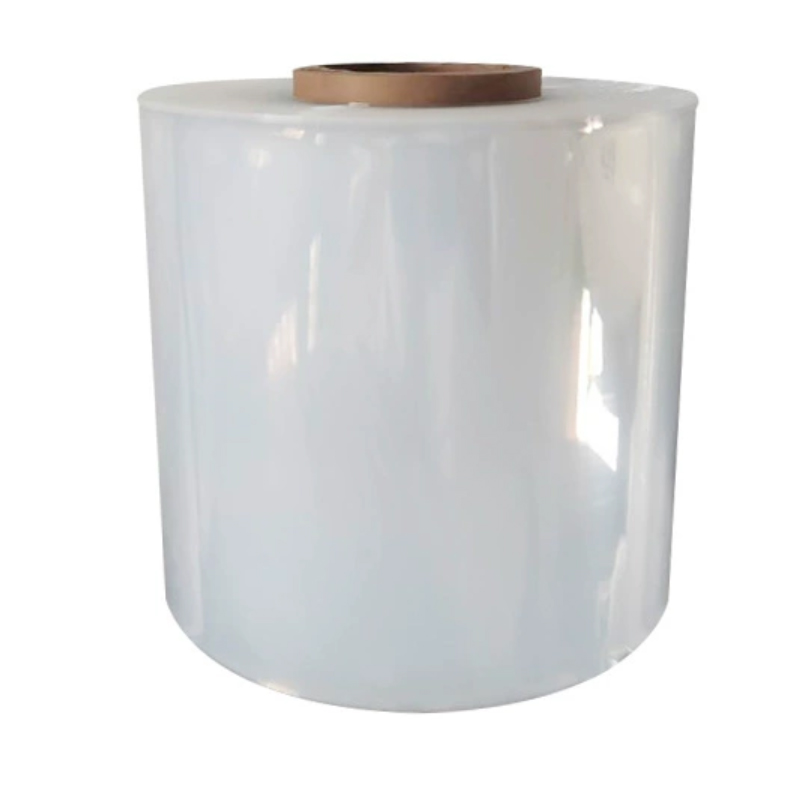
When industrial processes demand materials that can survive extreme heat, aggressive chemicals and repeated mechanical cycling, standard plastics often fail quickly. This is where PFA film stands out. As a melt-processable fluoropolymer, PFA (Perfluoroalkoxy) thin film delivers many of the signature benefits of PTFE, while adding better flexibility, clarity and fabrication advantages.
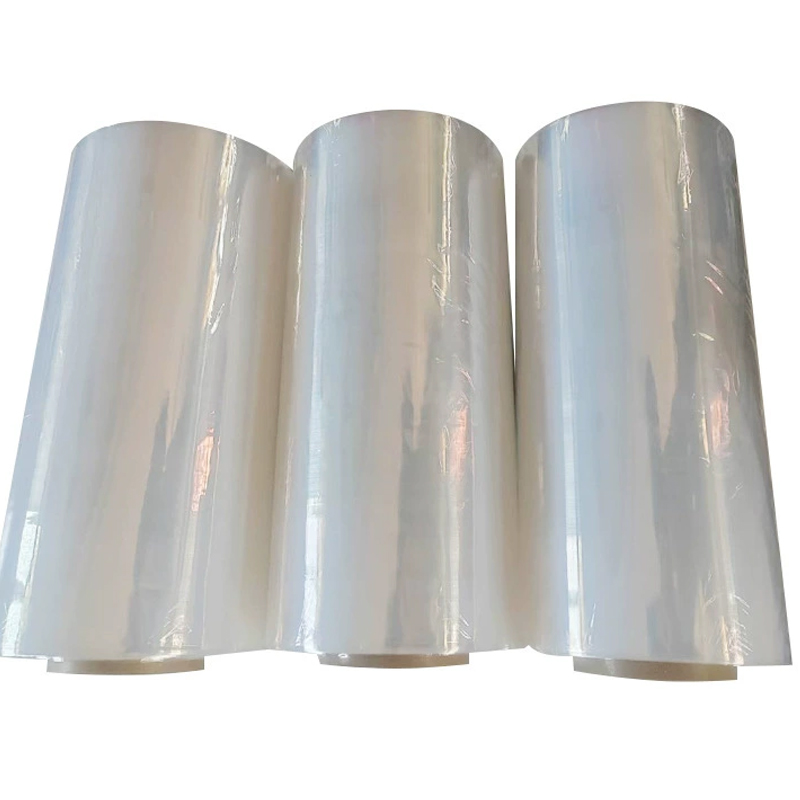
Many engineers and procurement buyers confuse PFA film with PTFE film. While both belong to the fluoropolymer family, their molecular structures create clear differences in performance. Unlike PTFE, PFA can be melt extruded. This production method allows manufacturers to produce uniform, pinhole-free thin film rolls with consistent thickness, which is critical for precision industrial applications.
Core Properties of PFA Film
- Excellent high-temperature resistance PFA maintains stable performance across a wide temperature range. Its continuous service temperature reaches 260°C, and it can withstand short peak temperatures without rapid aging or deformation. It will not soften, crack or release harmful volatiles under sustained high heat, making it reliable for heat-setting, drying and thermal forming processes.
- Ultimate chemical inertness Nearly all strong acids, alkalis, solvents and corrosive reagents cannot attack PFA film. It resists oxidizing agents, organic solvents and halogens. This property makes it ideal for environments where metal or ordinary plastic parts degrade rapidly under chemical exposure.
- Transparency & low surface friction PFA film features good optical clarity compared to opaque PTFE film. It also has an ultra-low coefficient of friction, creating a non-stick surface. Materials will not easily adhere to the PFA surface, which reduces downtime for cleaning and release work.
- Electrical insulation performance It offers stable dielectric strength, low dielectric loss and consistent insulating properties over a broad temperature and frequency spectrum. It does not absorb moisture, so insulation performance stays reliable in humid working conditions.
- Weathering and aging resistance PFA does not degrade under UV light, ozone or long-term outdoor exposure. It resists radiation aging and will not turn brittle after years of service outdoors.
- Flexibility and processability PFA film can be thermoformed, heat-sealed and laminated. It can be welded to itself, a major advantage over PTFE which cannot be melt welded. Fabricators can cut it into custom widths, lengths and shapes for bespoke equipment designs.
Common Industrial Applications of PFA Film
- Semiconductor & electronics manufacturing :PFA film is widely used as liner and barrier material for wet processing tanks, wafer carriers and chemical delivery systems. Its ultra-high purity minimizes particle contamination, a strict requirement for chip fabrication.
- Chemical processing & corrosion protection :Used as lining film for tanks, pipes, filter housings and reaction vessels. It protects carbon steel and alloy substrates from strong corrosive fluids.
- Food & pharmaceutical industry: Compliant with FDA food contact regulations, PFA film works for release sheets, packaging liners and gaskets. It is non-toxic and easy to sanitize.
- Heat release & non-stick processing :It serves as release film for composite curing, plastic thermoforming and laminating processes. Composite parts separate cleanly without sticking to molds.
- Aerospace and high-end equipment: Lightweight, heat-stable PFA film is applied in wiring insulation, sensor covers and components exposed to harsh airborne environments.
- 3er 3D printer Application :When running resin 3D printing with MSLA, DLP or LCD machines, the release film at the bottom of the resin vat is one of the most critical consumables. Many makers and professional print farms upgrade from regular FEP film to PFA film (often marketed as nFEP) for better print stability and lower failure rates.
PFA Film vs PTFE Film: Quick Comparison
PTFE film cannot be melt extruded or heat welded, usually opaque, with similar temperature and chemical resistance. PFA film: melt-processable, transparent option, heat-sealable, smoother surface, better uniformity for thin-gauge rolls, slightly higher material cost.
Choosing the Right PFA Film
When sourcing PFA film, buyers should confirm thickness tolerance, width, surface finish, purity grade and whether the material needs to be modified. Ultra-thin PFA film is used for electrical insulation, while heavier gauges are selected for chemical lining and structural barrier jobs.
Final Thoughts
For projects requiring long service life in hot, corrosive or high-purity environments, PFA film is a premium fluoropolymer solution. It balances heat resistance, chemical stability, non-stick characteristics and fabrication flexibility that few other plastic films can match. If you need custom-cut PFA film rolls or technical support for your project, contact our team for material data sheets and sample support.
Keywords naturally embedded:PFA film, PFA thin film, fluoropolymer film, high temperature film, chemical resistant film, PFA release film, PFA vs PTFE film