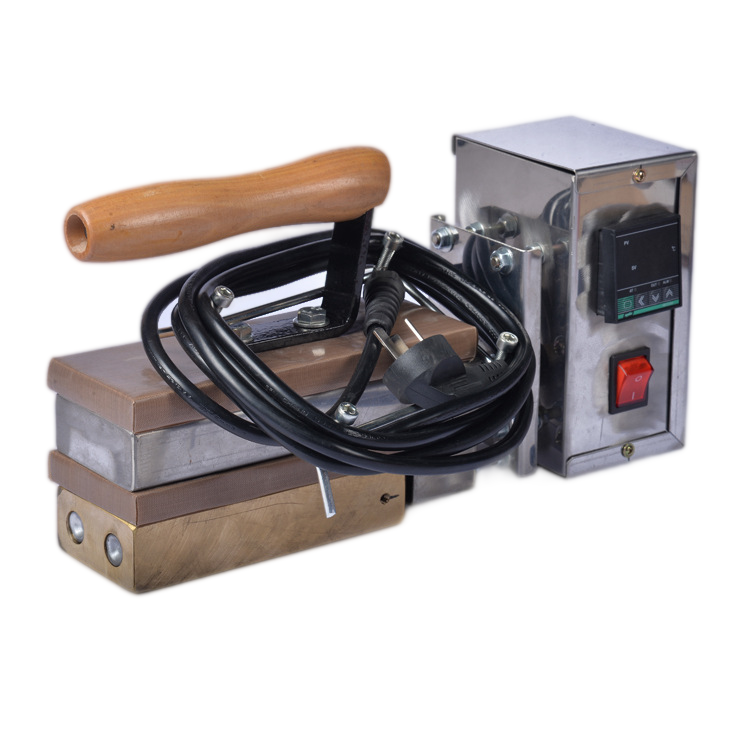
Core Features of Industrial Heat Welding Iron
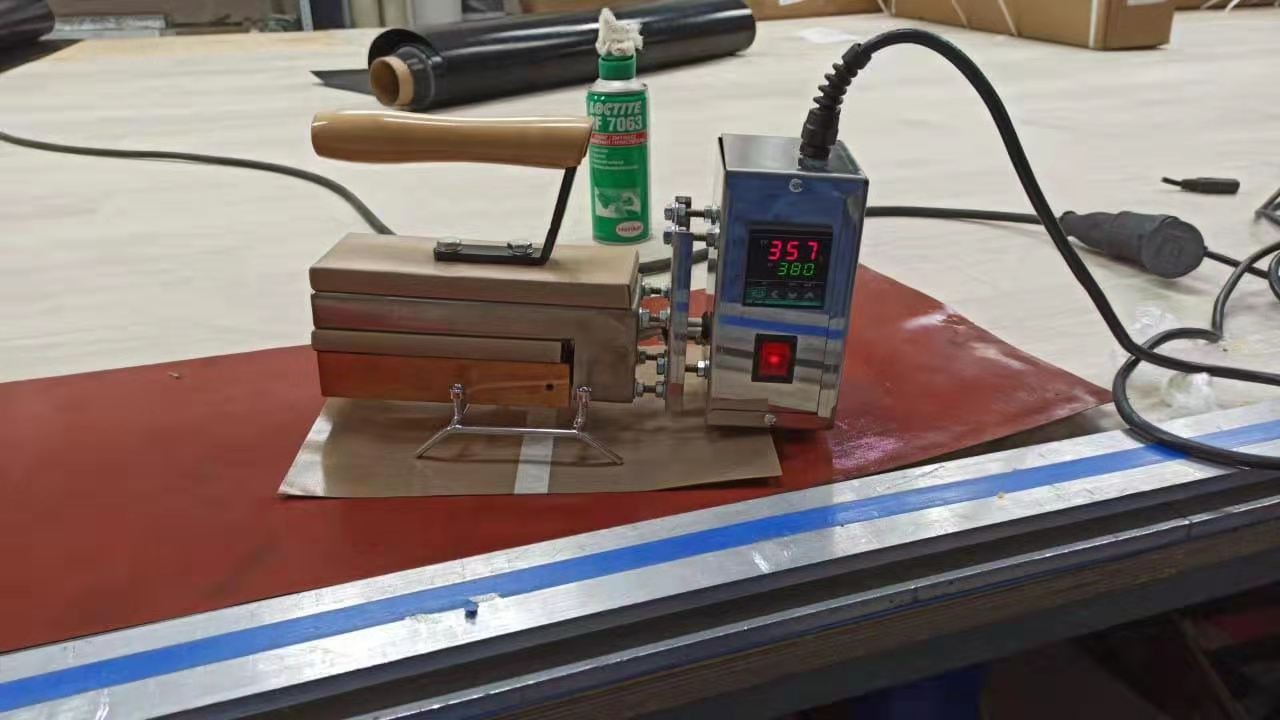
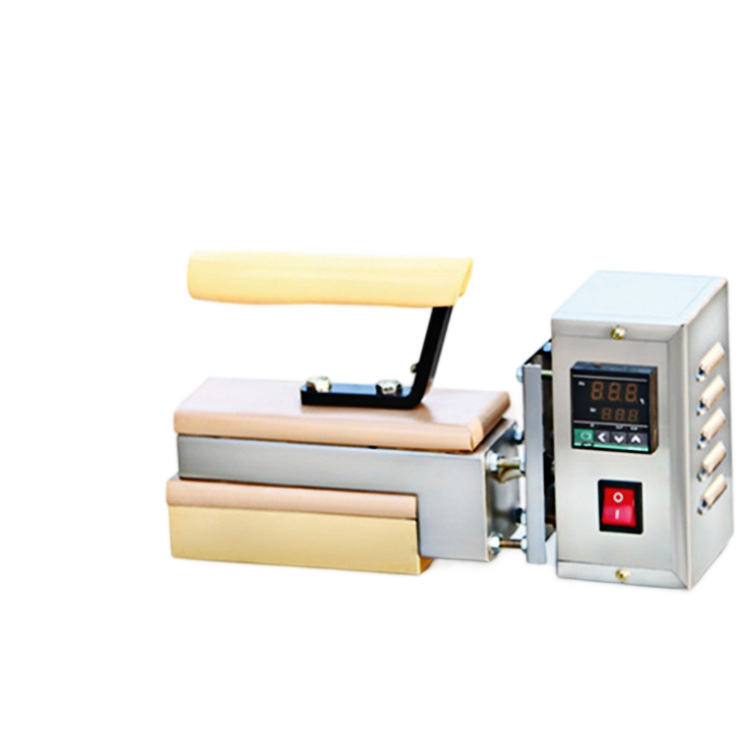
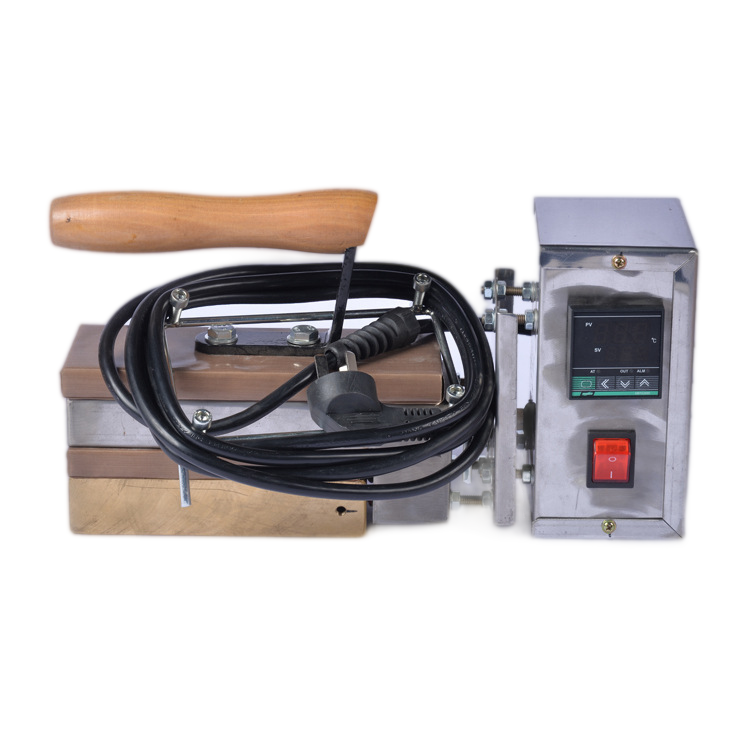
- Precise adjustable temperature control, supporting stable high temperatures up to 350°C or higher, matching the melting range of many engineering fluoroplastics.
- Solid heating base with uniform heat distribution, avoiding hot spots that burn or damage technical materials.
- Durable structure for continuous workshop use, not limited to short intermittent cycles like consumer irons.
- Portable design, suitable for on-site repair and jointing work where large automatic heat sealing machines cannot be moved in.
Primary Application: High-Temperature Heat Sealing / Heat Welding
Heat sealing with an industrial iron works by applying controlled heat plus light pressure to melt the overlapping surfaces of thermoplastic materials. After cooling, the two parts fuse together into one seamless joint. This manual hot welding method is irreplaceable for small batches, on-site maintenance and custom fabrication.
Common materials welded by industrial heat iron:
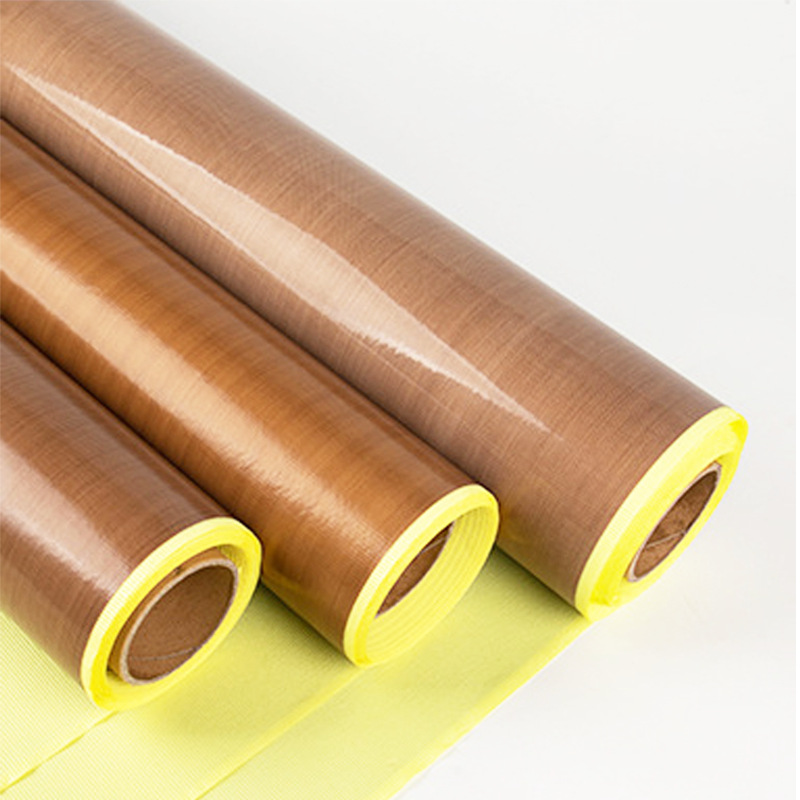
- PTFE coated fiberglass fabric, PTFE mesh belts, PTFE conveyor sheets PTFE fabric joints can be heat-fused to make endless belts, repair torn edges, splice sheet rolls, or seal seams for drying oven belts. The iron provides localized high heat to melt the PTFE coating for strong, smooth seams without extra adhesive glue.
- Silicone rubber fabrics and silicone release sheets Silicone coated textiles are heat sealed to form gaskets, expansion joints, heat insulation covers and release mats. The welded seam stays flexible and heat resistant.
- Other thermoplastic technical textiles FEP films, ETFE sheets and high-temperature coated fabrics for packaging, insulation and corrosion protection components.
Additional Industrial Uses
- Flattening & de-wrinkling technical fabric rolls, removing creases from PTFE and silicone sheets before cutting and fabrication.
- Edge sealing: heat-seal the cut edges of coated fabric to prevent fraying and fiber unraveling.
- Repair work: patch damaged areas on running oven belts, dryer mesh and heat press mats on site.
- Preheating material surfaces before bonding or laminating.
- Small-batch gasket and custom part prototyping, when ordering large heat sealing equipment is not economical.
Why Choose an Industrial Heat Iron for Heat Sealing
Large automated heat sealers are efficient for mass production, yet they lack flexibility. An industrial heat iron gives technicians mobility:
- Works on location at factories, on machine frames, or inside oven equipment.
- Perfect for trial samples, prototype development and emergency belt repairs.
- Lower cost for small splicing jobs compared with big welding machines.
- Creates clean, smooth welded seams that maintain non-stick and heat-resistant properties of PTFE / silicone materials.
Practical Notes for Heat Sealing Operation
Different fluoropolymer materials require different temperature settings. Operators must test on scrap material first:
- PTFE coated fabric welding usually requires high, stable temperature with even pressure.
- Too high heat burns the coating; insufficient heat results in weak seams that peel apart easily.
- Keep the heating base clean from carbon residue and material buildup to guarantee consistent sealing quality.